


New telescope images of interstellar comet 3I/ATLAS confirm that the mysterious object has gotten brighter and greener since it moved closer to the sun in late October. This increase in activity could herald a new bright burst of cometary material as 3I/ATLAS heads toward its closest approach to Earth next week.
New images taken on November 26th with the Gemini North telescope atop Hawaii’s dormant volcano Mauna Kea capture the comet in one of its most active stages to date. Recently, intense solar radiation has heated up the comet’s ice, causing it to sublimate and spew into space along with large amounts of dust, forming a bright, cloudy atmosphere (coma) around the comet’s body and a long, glowing tail behind it.
you may like
Why is 3I/ATLAS going green?
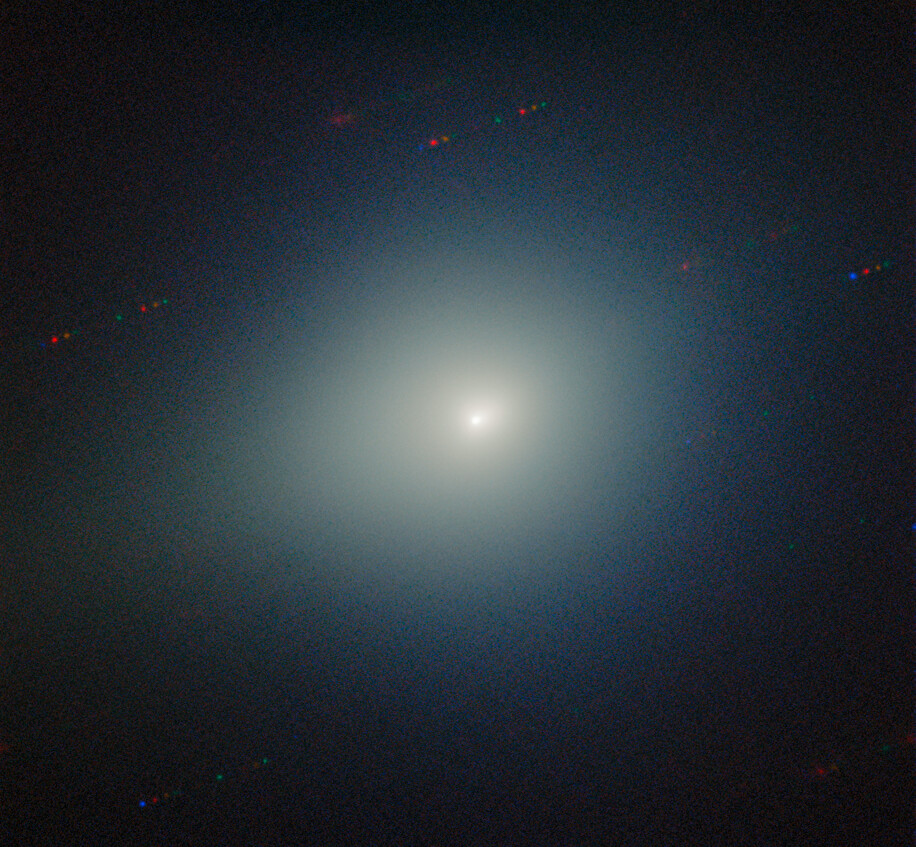
Don’t be too quick to blame the comet’s new greenish glow on the green gnomes. According to a statement from the National Science Foundation’s NOIRLab, which operates the Gemini North telescope and its twin Gemini South telescope in Chile, the gases escaping from 3I/ATLAS contain diatomic carbon (C2), a molecule made of two carbon atoms that emits a greenish light.
Many solar system comets, including last year’s “Mother of Dragons” comet 12P/Pons-Brooks and the recently discovered comet C/2025 F2 (SWAN), emit a similar green hue when activated by the Sun.
But it’s worth noting that 3I/ATLAS appeared distinctly red when it was first observed by Gemini South in late August, several months before its solar approach, according to NOIRLab. This is evidence that 3I/ATLAS is releasing new molecules into space as it heats up, providing new clues to its mysterious composition.
Will there be another explosion?
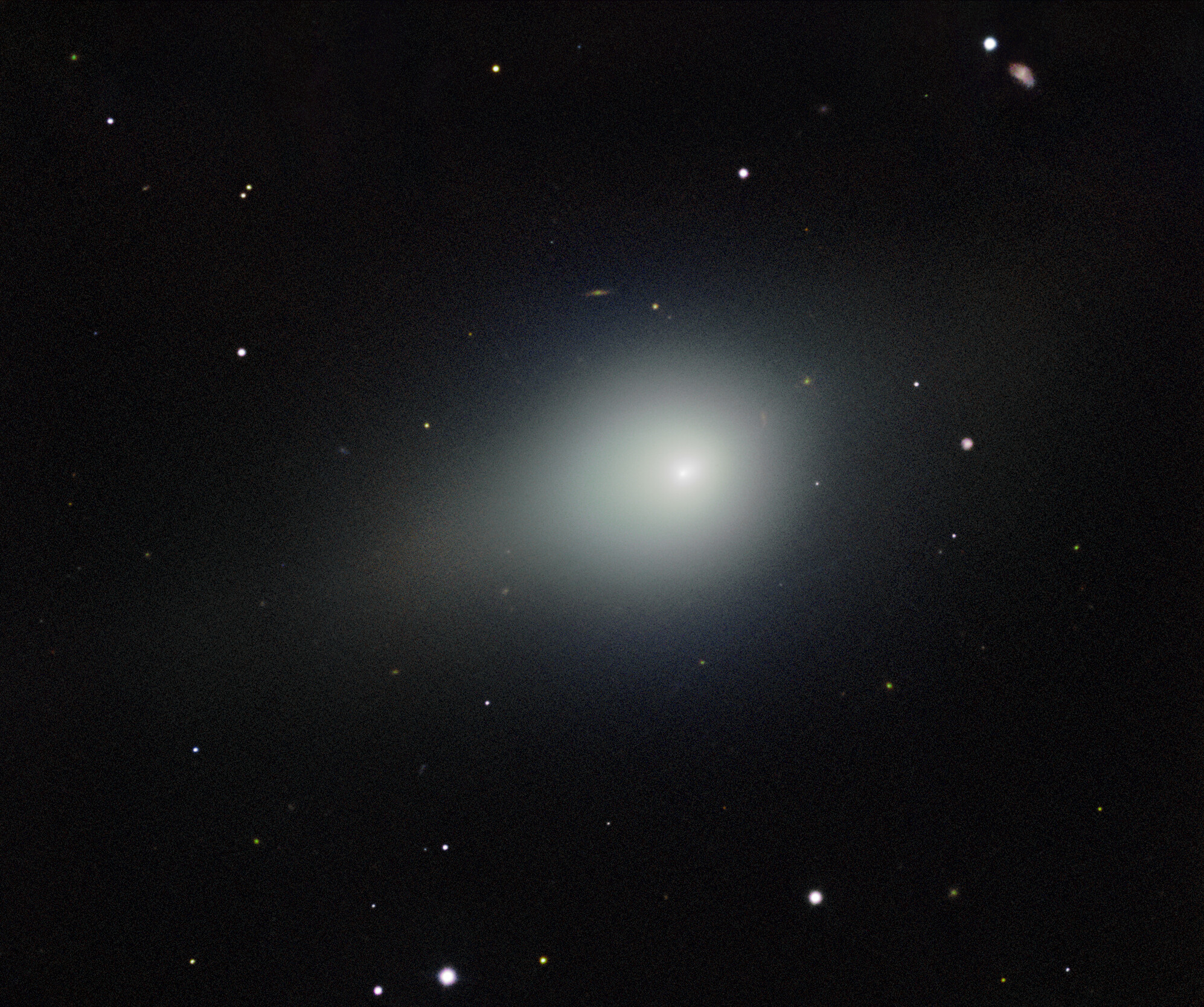
When the comet makes its closest approach to Earth on December 19th (within a comfortable 170 million miles, or 270 million kilometers) of Earth, we may be in for another surprise.
“What we don’t know is how the comet behaves as it leaves the vicinity of the Sun and cools,” NOIRLab representatives said in a statement. “Many comets react slowly when they sense the sun’s heat because it takes time for the heat to pass through the comet’s interior. The delay can spur new chemical evaporation or cause the comet to explode.”
3I/ATLAS is the third interstellar object ever discovered, after 1I/’Oumuamua and 2I/Borisov. The comet was detected in late June, hurtling through the solar system at an estimated speed of 130,000 mph (210,000 km/h), following a hyperbolic (U-shaped) orbit that will never pass by us again.
3I/ATLAS is probably the largest and most likely oldest interstellar object ever observed. Although the comet exhibits many interesting features, including large sun-facing jets and traces of radiation from billions of years spent in interstellar space, most astronomers and space agencies agree that it is a typical comet and not an artifact of alien technology, as some viral theories suggest.
Dozens of observatories and spacecraft around the solar system have been closely monitoring 3I/ATLAS to better understand its size, orbit, composition, and origins. Studying it closely may reveal new details about our galaxy’s mysterious remote areas and how some of the Milky Way’s earliest star systems formed.
Source link
