


A unique “sacrificial complex” discovered between two ancient tombs in Russia has revealed new information about nomadic funeral rituals in the southern Ural Mountains some 2,400 years ago.
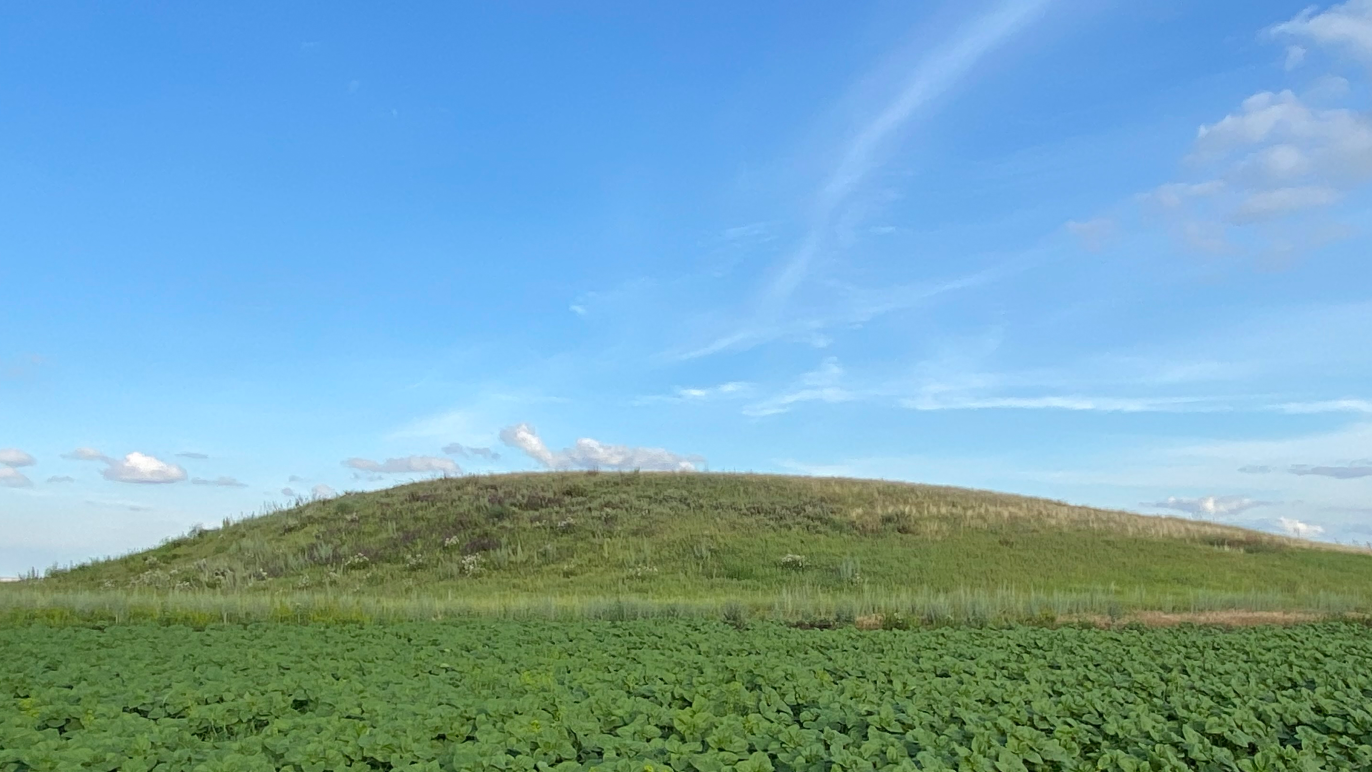
This summer, researchers from the Institute of Archeology of the Russian Academy of Sciences excavated the spaces between the burial mounds of the Vysokaya Mogila site. Vysokaya Mogila is a 3.7 mile (6 km) cemetery dotted with a series of high-status burial mounds. This necropolis was used from the 4th century BC to the 3rd century BC, and numerous artifacts have been found inside and outside the tomb.
you may like
In one cache located to the southeast of the mound, excavators discovered a gold appliqué plaque depicting a tiger’s head and paws. To the west of the mound, a cache was found containing fragments of both a bronze ladle and a cauldron.
However, most of the recovered artifacts were part of a “rich sacrificial complex” hidden in a shallow circular hole on the west side of one of the burial mounds.
Among the hundreds of items discovered at the sacrificial complex were bronze horse plaques representing at least a dozen ancient bridles, cheek pieces, and iron bits. The forehead band of the bridle runs across the horse’s face between the eyes and ears, and the cheek area runs perpendicular to the forehead band, below and to the sides of the eyes.
The reins were decorated with flat, round metal circles, some of which represented birds or mythical animals, others with geometric patterns or human faces. The sacrificial complex also included wooden bowls covered in silver with animal motifs and the jaws of boars placed as sacrificial animals.
Image 1/5
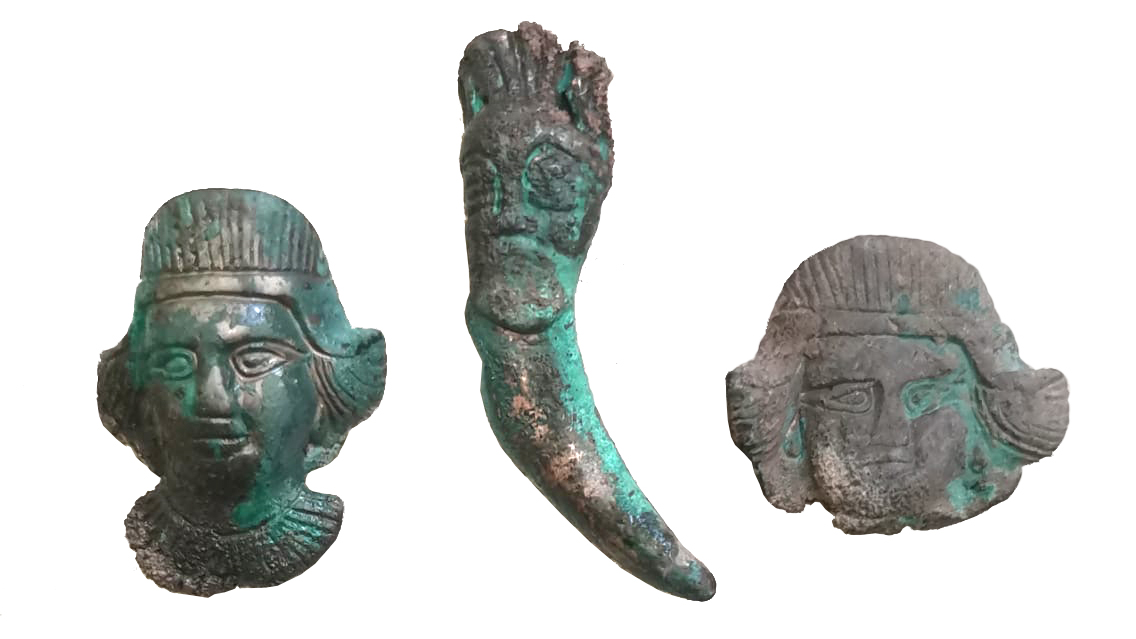
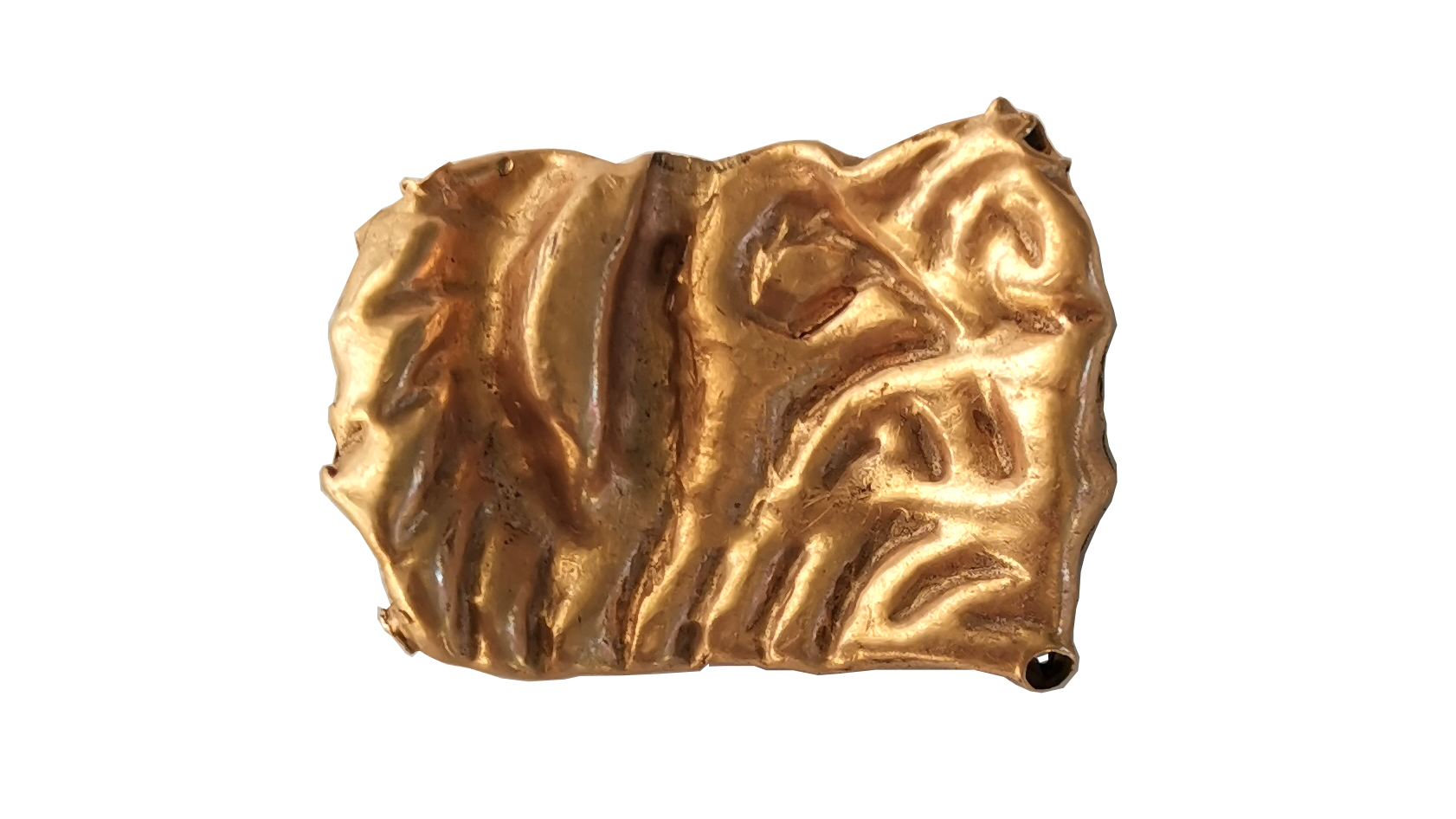
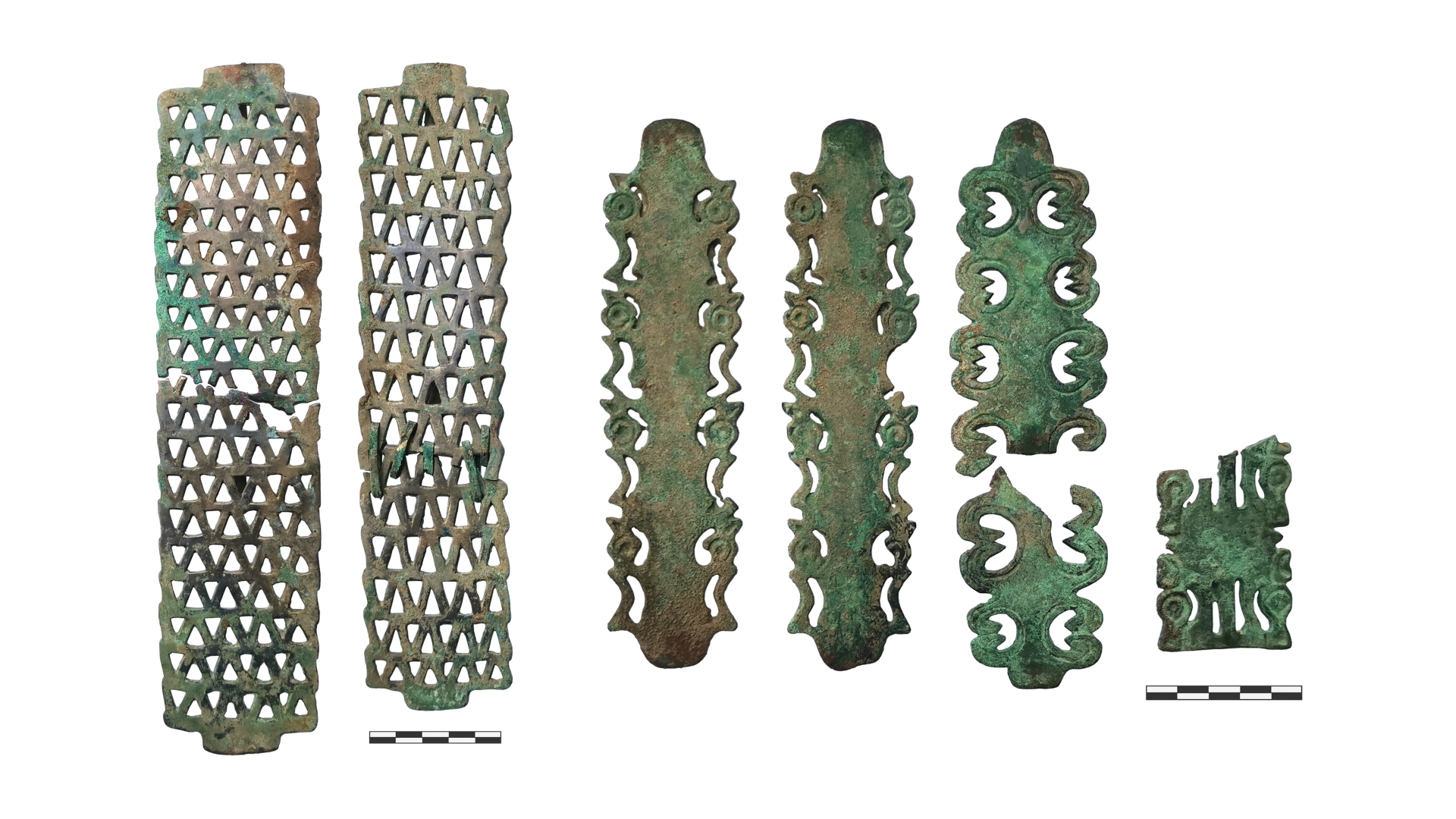
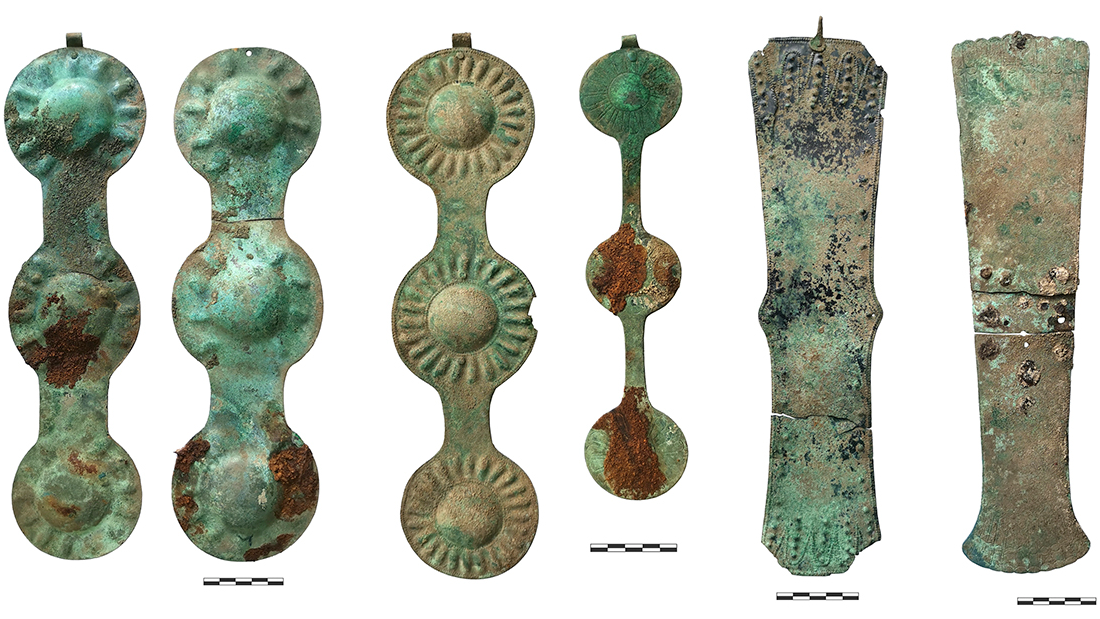
According to the statement, this sacrificial complex is the richest ever discovered in terms of the sheer number of artifacts and the origin of the items, many of which were likely imported from the northern Caucasus and northern Black Sea regions, never before discovered in this part of the world.
The archaeologists noted in a statement that both the silver-lined wooden bowl and the boar’s jaw suggest the sacrificial facility was part of a funerary ritual. Ritual activities after the funeral were probably carried out by nomadic nobles in the space between the burial mounds.
New discoveries suggest that these cemeteries in the southern Urals were not only places to bury the dead, but also places people visited many times to carry out ritual activities.
Archeology Fragments Quiz: Can you figure out what these mysterious artifacts are?
Source link
