


Usually, we get tattoos intentionally. However, some injuries can leave another type of mark known as a “traumatic tattoo.” These tattoos have nothing to do with needles or ink. So what exactly is a traumatic tattoo?
Traumatic tattoos are formed by everyday substances such as graphite, dirt, and gravel. Alternatively, pieces of metal, such as splinters, become lodged under the skin, leaving visible (and often long-lasting) marks.
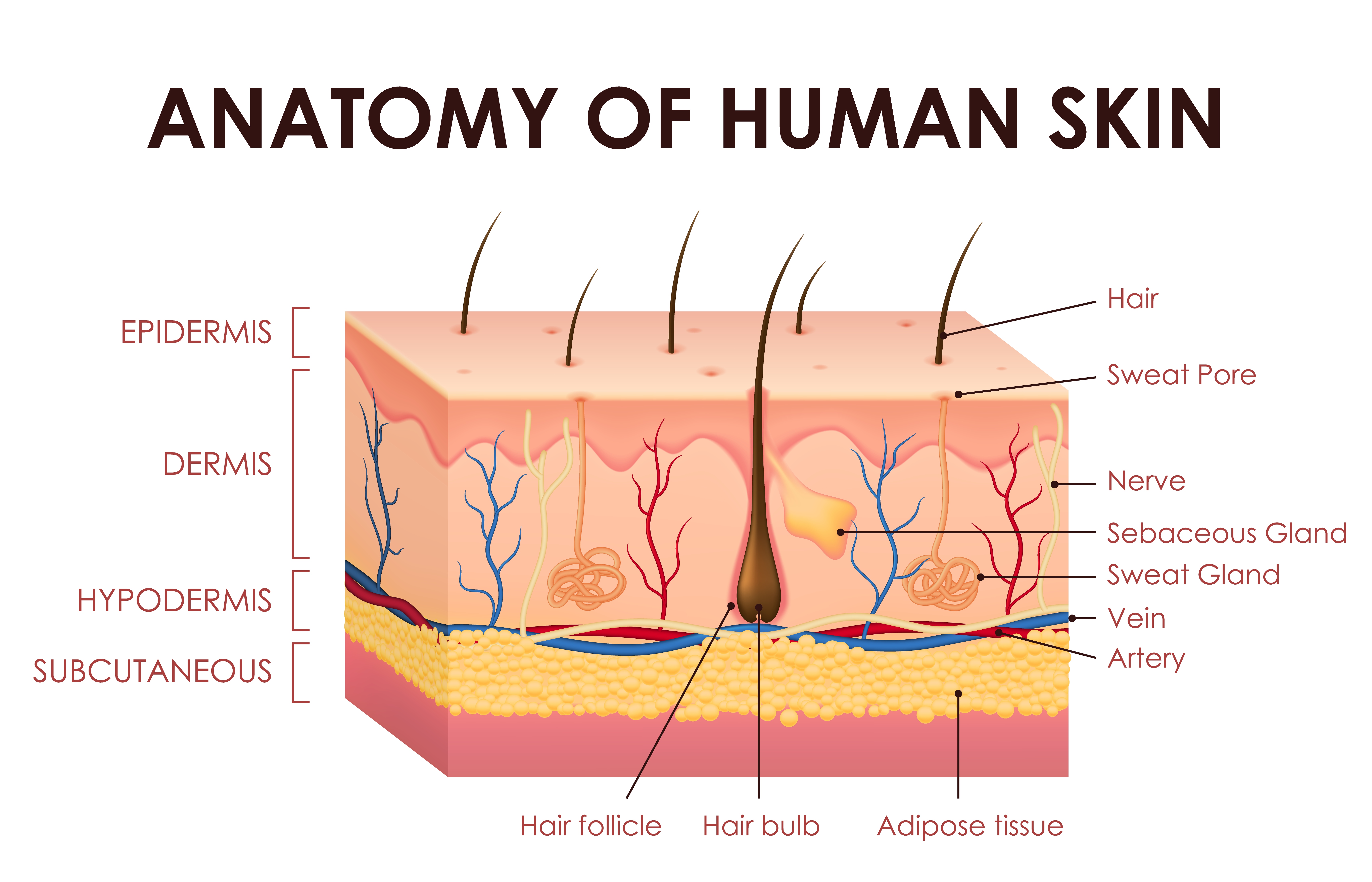
“It’s when a foreign object, such as dirt, asphalt, metal, or sand, becomes embedded in the dermis of the skin,” Dr. Mara Weinstein Velez, a dermatologist at the University of Rochester Medical Center, told Live Science via email. “And it happens more often than you think. Events like car accidents, scrapes, and falls can cause this.”
you may like
These residual marks do not necessarily cause pain or discomfort in the long term, but their appearance can last a lifetime. Some emerge from truly traumatic events, such as a motorcycle crash that leaves gravel or asphalt trapped under the skin, or a gunshot wound that isn’t completely cleaned, while others emerge from common experiences, such as being poked with a pencil in an elementary school classroom.
The substance itself may flake off naturally over time, or it may travel nearby within the body. For example, one child had the lead of a pencil in his hand traveling all the way to his wrist. However, in these cases, the particles may remain at the original site of entry, which may leave dark-colored scars under the skin.
Although the presence of an old traumatic tattoo is not necessarily harmful or worthy of medical attention on its own, experts argue that it is best to seek medical advice the first time you injure it. The biggest risk is usually the possibility of infection, where harmful bacteria can enter the body along with foreign substances. However, if the object moves to a more dangerous area under the skin or becomes uncomfortable, surgery may be necessary. If you experience this type of injury, be sure to consult your doctor.
“Because it is a foreign object, it is very important to seek medical attention immediately to avoid infection,” Weinstein Berreth said. “Treatments such as minor surgery, lasers, and dermabrasion can help safely remove foreign bodies from the skin.”
People who work in physically demanding industries such as mining and construction are more likely to develop traumatic tattoos at work because they are frequently exposed to fast-moving foreign objects such as silt and rocks in their daily lives.
But perhaps the most traumatic tattoos we’re all familiar with are small, barely noticeable scars made with a pencil. Pencils are made of graphite, a soft mineral combined with clay and wax, and are considered non-toxic and safe. However, according to the Missouri Department of Poison Control, “stick wounds deeper than the skin or near the eyes may require medical attention.”
Traumatic tattoos occur frequently in the military, often as a result of gunpowder or ammunition becoming entangled under a service member’s skin after an explosion or shot, or even when a weapon malfunctions during combat training, as shown in a study by researchers in the Department of Oral and Maxillofacial Surgery at Womack Army Medical Center in North Carolina.
Even if there are no other treatments, traumatic tattoos can be treated from a cosmetic point of view. To hide or mask these marks, dermatologists use the same type of laser that professionals typically use to remove tattoos, matching the color of the trapped pigment to the appropriate wavelength of light. When targeted by these lasers, the dye is fragmented into smaller pieces. However, because some tattoo colors can absorb a wider range of wavelengths than others, meaning they can be broken down into even smaller particles that the immune system targets, dermatologists use different tools for different marks depending on color and location.
The laser “breaks down the pigment, and the body’s immune cells called macrophages remove it,” said Dr. Anna A. Barr, professor of dermatology and co-director of Mohs microsurgical surgery at Oregon Health & Science University. “You won’t see results right away. You’ll have to wait about a month for the tattoo to fade.”
Traumatic tattoos can take longer to address and may require multiple sessions, but because they typically contain less pigment, they are “often easier to remove than professional tattoos,” she added. “Usually amateur tattoos or traumatic tattoos are a little easier to remove.”
This article is for informational purposes only and does not provide medical advice.
Source link
